

Kurt Horwitz
* 1900
HIER WOHNTE
KURT HORWITZ
JG. 1900
DEPORTIERT 1942
ERMORDET IN
MAIDANEK
Harburger Rathausstraße 45
Related Stolpersteine in Harburger Rathausstraße 45: Elfriede Horwitz | Gertrude Grünfeld | Johanna Horwitz

Harburger Rathausstraße 45
Kurt Horwitz, born on 28 June 1900 in Harburg, deported on 24 Mar. 1942 from Nuremberg to Izbica, murdered
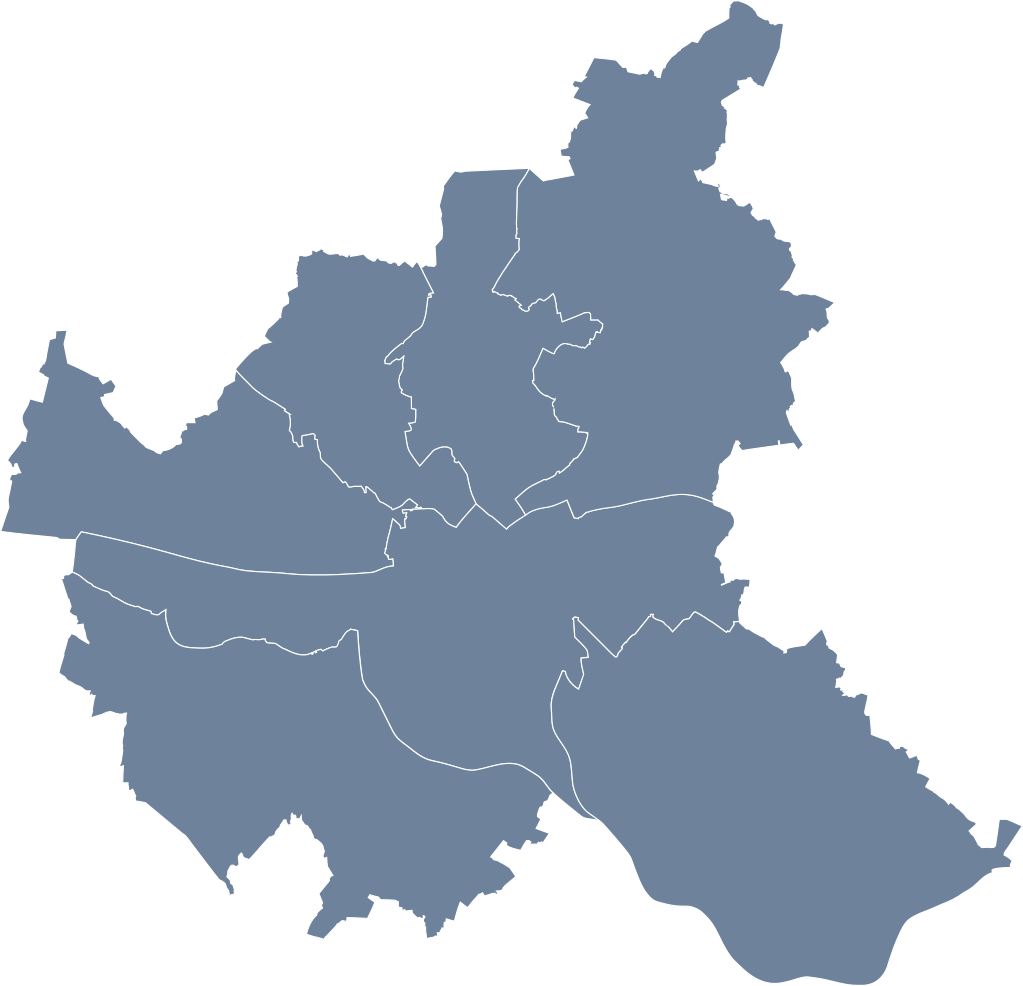
Harburg-Altstadt quarter, Harburger Rathausstrasse 45
Kurt Horwitz was born on 28 June 1900 in Harburg as the child of his Jewish parents Adolf and Johanna Horwitz, née Bachenheimer. In front of the door of his parents’ house was the large town hall square and the boys’ school was around the corner. Kurt Horwitz and his siblings spent their childhood and youth there.
His father, a livestock dealer, was well known in the city and its environs.
When he died at the age of 47 and was buried in the Jewish Cemetery on Schwarzenberg, the family not only lamented the death of a loved one, but also the loss of a breadwinner who had always wanted and done the best for his wife and children. Apart from this, we do not know anything about Kurt Horwitz’s school days or possible training.
After the First World War, Kurt Horwitz married Sophie Karl, who was one year older and came from a Jewish family in Walsdorf in the Bamberg administrative district, where Kurt Horwitz continued his life. In the following years, the children Adolf Horwitz (on 14 Nov. 1925), Lothar Horwitz (on 16 July 1928), and Carola Horwitz (on 17 Mar. 1930) were born there.
However, the Jewish Community of this Upper Franconian village was not as large in the 1920s as it had been at the beginning of the nineteenth century, when 120 members belonged to it. The small village on the Aurach River had a Jewish cemetery and a synagogue, which had even been extended in 1862, when the Jewish Community still made up 14% of the village population. There were tensions between the Christian villagers and their Jewish neighbors, which were only overcome in the course of the nineteenth century, when Jewish citizens also contributed to the welfare of all in many local associations and in the municipal committee. On the other hand, many young men and women of Jewish faith also left their homeland at that time to start a new life in the surrounding cities or in the USA.
At the beginning of the Nazi era, there were still 20 Jewish men, women, and children living in Walsdorf and they found it increasingly difficult to assert themselves in a hostile environment. Eleven of them were able to emigrate in time. On 10 Nov. 1938, the interior of the synagogue in Walsdorf was also destroyed by SA units from Bamberg. Parts of the inventory and numerous cult objects were dragged onto the street and burned there publicly. After the beginning of the Second World War, two other Jewish residents of the village were able to flee. The others were deported to “the East” in 1942.
On 22 Mar. 1942, Kurt and Sophie Horwitz and their three children were taken from their home under police supervision and loaded onto a truck that took them to Bamberg. From there, the journey went on to Izbica in the General Government [in occupied Poland] (Generalgouvernement). Shortly after the occupation of the country, the German authorities had established a ghetto for Polish Jews in this small Polish town, which soon had to accommodate Jews from other countries as well.
Izbica belonged to the Polish cities that became “waiting rooms” (“Wartesäle”) on the journey of Jews to death. In Mar. 1942, the “resettlement” (“Aussiedlung”) of the inhabitants began, i.e., their transport to the Belzec and Sobibor extermination camps in the course of the “Operation Reinhardt.”
Kurt, Sophie, Adolf, Lothar, and Carola Horwitz did not survive the Holocaust either.
The victims of the genocide of the Jews also include Kurt Horwitz’ mother Johanna Horwitz and his mother-in-law Rosa Karl, as well as his siblings Hugo Horwitz, Elfriede Horwitz, and Gertrud Grünfeld with their family. (See www.stolpersteine-hamburg.de)
Translator: Erwin Fink
Kindly supported by the Hermann Reemtsma Stiftung, Hamburg.