

Elfriede Horwitz
* 1904
HIER WOHNTE
ELFRIEDE HORWITZ
JG. 1904
DEPORTIERT 1942
THERESIENSTADT
1943 AUSCHWITZ
ERMORDET
Harburger Rathausstraße 45
Related Stolpersteine in Harburger Rathausstraße 45: Kurt Horwitz | Gertrude Grünfeld | Johanna Horwitz

Harburger Rathausstraße 45
Elfriede Horwitz, born on 29 Aug. 1904 in Harburg, deported on 27 Sept. 1942 from Mainz to Theresienstadt, deported further on 29 Jan. 1943 to Auschwitz, murdered
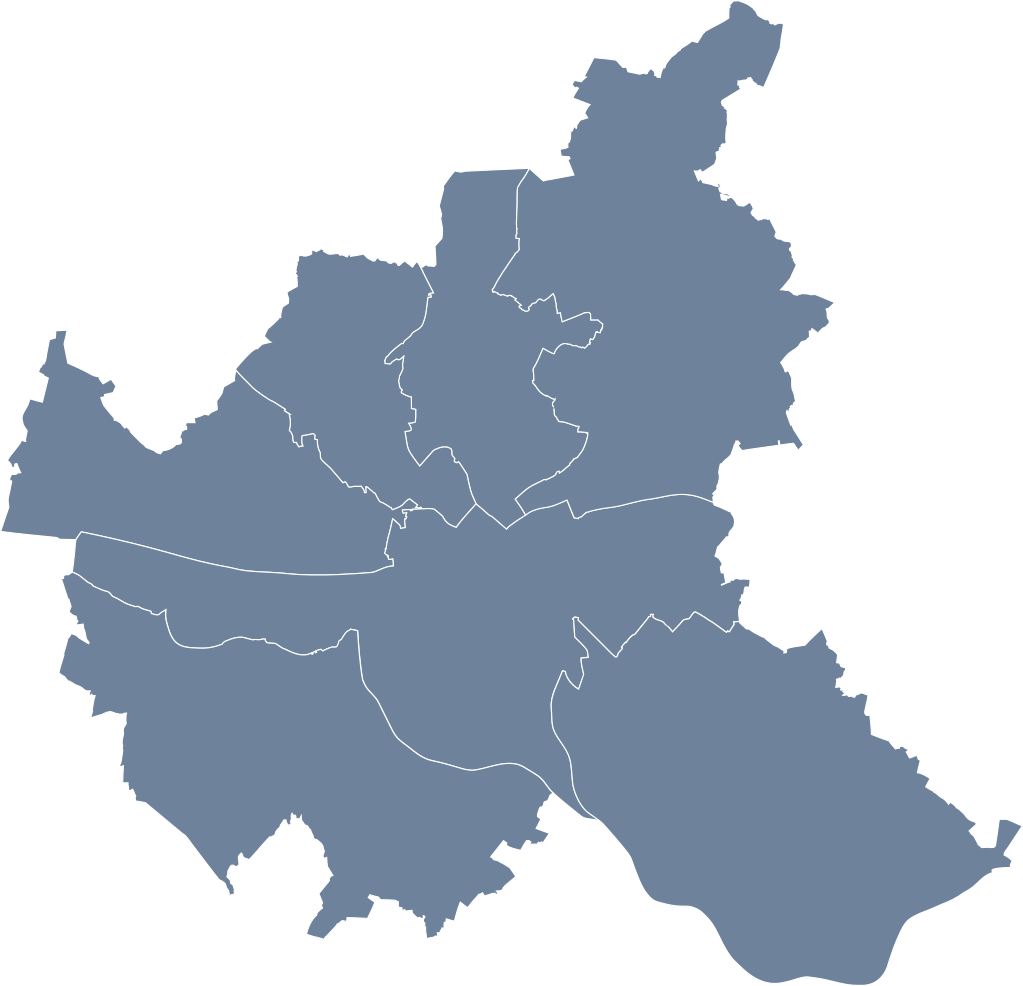
Harburg-Altstadt quarter, Harburger Rathausstrasse 45
Elfriede Horwitz was born one year after the opening of the city of Harburg girls’ secondary school as the child of her Jewish parents Adolf and Johanna Horwitz, née Bachenheimer. Her father was a livestock dealer. Elfriede was eleven years old when he died; he was buried in the Jewish cemetery on Schwarzenberg.
After this heavy blow, her mother took the courageous decision to continue the business in order to save the family from even greater hardship. Her courage was rewarded. With iron will and admirable skill, she was able to meet the expectations of old and new customers and thus secure the livelihood of the large family.
These conditions changed when Adolf Hitler was appointed Reich Chancellor by Paul Hindenburg in 1933 and Jewish livestock dealers increasingly became targets of Nazi propaganda and government policy. In Jan. 1937, Jews were officially banned from any activity in the livestock trade.
These circumstances probably contributed to Johanna Horwitz leaving her hometown of Harburg with her daughter Elfriede and moving in with her daughter Gertrud Grünfeld in Flacht/Lahn.
On 27 Sept. 1942, Elfriede Horwitz, her mother, and 1,286 other men, women, and children were deported from Mainz to Theresienstadt. For Elfriede Horwitz, the Theresienstadt Ghetto was just a stopover on her journey to death, as it was for countless other people who had been deported there.
On 29 Jan. 1943, she had to board a train whose journey ended in the Auschwitz-Birkenau concentration and extermination camp. After the “selection,” 122 men and 95 women were committed to the camp as prisoners. The remaining 783 people were driven into the gas chambers.
Elfriede Horwitz’s life was also extinguished there.
Other people who did not survive the Holocaust include her mother Johanna Horwitz and her siblings Hugo Horwitz, Kurt Horwitz, and Gertrud Grünfeld with her family. (See www.stolpersteine-hamburg.de)
In Yad Vashem, Abraham Frank, another member of the former Jewish Community in Flacht, dedicated a Page of Testimony (Gedenkblatt) to Elfriede Horwitz to keep her in the memory of posterity.
Translator: Erwin Fink
Kindly supported by the Hermann Reemtsma Stiftung, Hamburg.