

Leopold Levy Meier
* 1892
HIER WOHNTE
LEOPOLD LEVY
MEIER
JG. 1892
DEPORTIERT 1942
ERMORDET IN
MINSK
Lüneburger Straße 21
Related Stolpersteine in Lüneburger Straße 21: Jost Pommerantz | Max Pommerantz | Elisabeth Henriette Pommerantz
© Yad Vashem
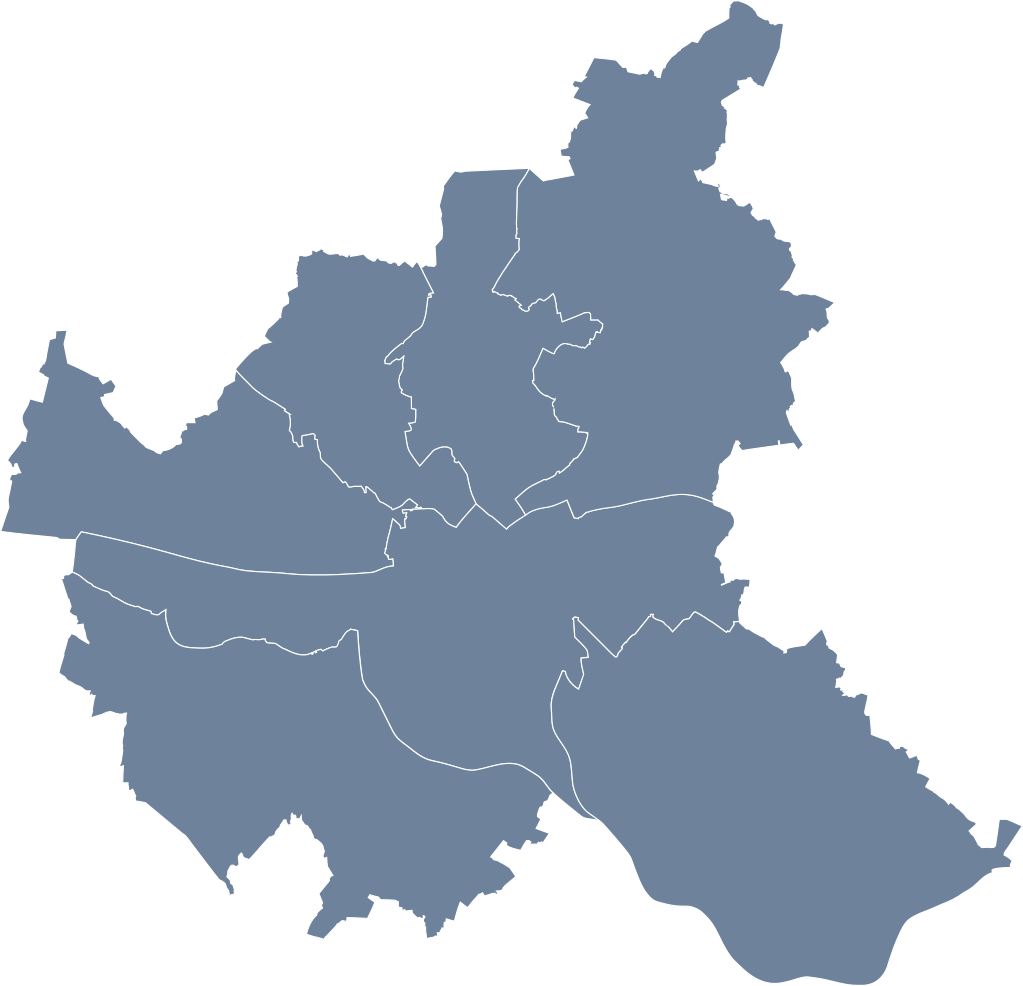

Lüneburger Straße 21
Leopold (Levy) Meier, born on 8 Feb. 1892 in Harburg, deported on 20 July 1942 from Cologne to Minsk
Lüneburger Strasse 21 (formerly Wilstorfer Strasse 14)
Leopold Meier was born as the oldest son of the Jewish merchant Joseph Meier (1 Nov. 1861–8 Feb. 1928) and his wife Johanna, née Goldschmidt. His father and other Jewish merchants and entrepreneurs had a great share in the rapid development of the small city of Harburg/Elbe into a major industrial site during the second half of the nineteenth century. After the foundation of the German Reich, the economic successes of parts of the Jewish population contributed essentially to increasing social recognition of this minority by the Christian environment. Jewish families participated just as actively in public life as their Christian neighbors, meeting up with them in Harburg associations, and their children, like other boys and girls with whom they grew up, attended Harburg schools. The question as to which of these schools Leopold Meier attended and many other questions regarding subsequent stations of his life will likely remain unanswered for good.
By the time his father passed away on 8 Feb. 1928, Leopold Meier lived with his wife Wilhelmine, née Jonas, (born on 15 June 1896) and his three-year-old daughter Alice (born on 12 Oct. 1925) in Cologne. The deceased was buried in the Jewish Cemetery in Harburg; his business on Wilstorfer Strasse (today Lüneburger Strasse) was taken over by his son-in-law Max Pommerantz, who had already been a co-owner of the ready-to-wear clothing store.
Leopold Meier earned a living for himself and his family as a commercial agent, and probably after 1933, he suffered more and more as a result of the economic restrictions affecting to an increasing extent all Jewish colleagues in the same line of work.
On 20 July 1942, Leopold Meier was deported with his wife Wilhelmine and his daughter Alice as well as 1,161 other persons from Cologne to Minsk. Four days later, the train arrived at its destination. Shortly afterward, a special unit of the Waffen-SS first shot 6,000 Russian and then 3,000 German Jews in two large-scale operations. Leopold, Wilhelmine, and Alice Meier were declared dead after 1945.
The victims of the Holocaust among his relatives also include Leopold Meier’s sister Elisabeth Henriette Pommerantz, his brother-in-law Max Pommerantz, and his nephew Jost Pommerantz.
Translator: Erwin Fink
Kindly supported by the Hermann Reemtsma Stiftung, Hamburg.