

Hans-Erich Breng
* 1921
HIER WOHNTE
HANS-ERICH BRENG
JG. 1921
EINGEWIESEN 1937
ALSTERDORFER ANSTALTEN
´VERLEGT` 28.7.1941
´HEILANSTALT` LANGENHORN
27.11.1941 TIEGENHOF
ERMORDET 21.4.1942
Gravensteiner Straße 3
Related Stolpersteine in Gravensteiner Straße 3: Heinrich Zöhrens
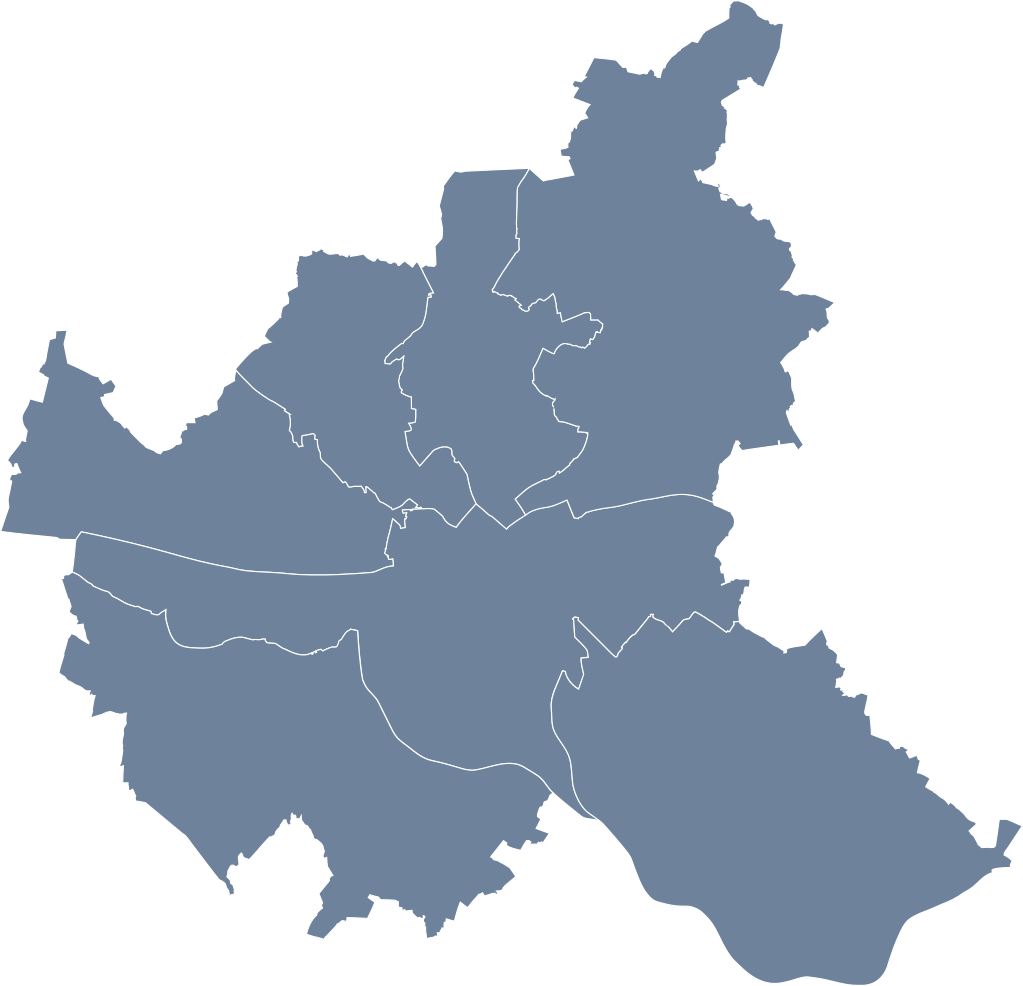

Gravensteiner Straße 3
Hans-Erich Breng, born on 22.12.1921, in Hamburg, admitted to the Alsterdorf Asylum (Alsterdorfer Anstalten now Evangelische Stiftung Alsterdorf) on 1.12.1937, transferred on 28.7.1941 to the Sanatorium and Nursing Home Langenhorn (Heil- und Pflegeanstalt Langenhorn), transported on 27.11.1941, to the ”Gau-Heilanstalt Tiegenhof” (polish: Dziekanka) near Gnesen (Polish: Gniezno), died there on 21.4.1942
Gravensteiner Straße 3 (Eimsbüttel)
Hans-Erich Breng was born on 22 December 1921, in Hamburg. He was the son of Helene Hertha Marie Kaiser, née Breng, born on 14 May 1902, in Hamburg, who was unmarried at the time of his birth. His biological father was Karl Max Friedrich Goldhahn, a butcher's assistant, born on 8 April 1897 in Delmenhorst.
Sixteen-year-old Hans-Erich Breng was admitted to the former Alsterdorf Asylum (Alsterdorfer Anstalten now Evangelische Stiftung Alsterdorf) on 1 December 1937. Until then, he had lived with his mother at Gravensteiner Straße 3 in Altona, which today belongs to Eimsbüttel.
Hans-Erich Breng's patient file no longer exists, so details about his childhood and early youth are unknown. The little we know about him comes from an index card that was created for the Hamburg Health Passport Archive, established in 1934 for the purpose of conducting a “hereditary biological inventory” of the population. In an excerpt of a few lines entitled “From the course of the illness,” Hans-Erich Breng was assessed as “incurable ill” as a result of congenital syphilis and the resulting dementia. He allegedly had no school knowledge, showed no connection to his surroundings, and was unable to perform any work. At the asylum, he was considered a relatively unproblematic patient because he was able to dress and undress himself.
According to the entries in the Alsterdorf Asylums‘ admission book, he was transferred to the Langenhorn Sanatorium and Nursing Home on 28 July 1941, and from there, on 27 November 1941, in a transport of 32 women and 37 men to the “Gau-Heilanstalt Tiegenhof” (today Wojewódzki Szpital dla Nerwowo i Psychicznie Chorych “Dziekanka,” Provincial Hospital for the Nervous and Mentally Ill “Dziekanka”) near Gnesen (today Gniezno, Poland).
The Tiegenhof institution was built between 1891 and 1894, just under two and a half kilometers from Gniezno, around 50 km east of Poznan. Until 1919, it had beds for around 600 patients. After the territory was transferred to the newly reestablished state of Poland, the institution was renamed “Dziekanka”. It was one of the psychiatric institutions with the lowest mortality rates worldwide. After the institution was occupied by the German Wehrmacht in October 1939, it was renamed “Gau-Heilanstalt Tiegenhof” and was included in the National Socialists' “Euthanasia”-program.
Almost all of the women and men transported from Hamburg died of starvation and/or overdose of drugs such as Luminal, scopolamine, and chloral hydrate. Hans-Erich Breng was murdered on 12 April 1942.