

Bertha Weber
* 1910
HIER WOHNTE
BERTHA WEBER
JG. 1910
EINGEWIESEN 1935
ALSTERDORFER ANSTALTEN
‚VERLEGT‘ 28.7.1941
HEILANSTALT LANGENHORN
27.11.1941 ‚HEILANSTALT‘
TIEGENHOF / GNIEZNO
ERMORDET 26.12.1941
Prätoriusweg 5

Prätoriusweg 5
Berta Weber, born on 24.7.1910 in Altona, admitted on 8.4.1935 to the „Alsterdorf Asylum“ („Alsterdorfer Anstalten“, now „Evangelische Stiftung Alsterdorf“), transferred to the Sanatorium and Nursing Home Hamburg-Langenhorn on 28.7.1941, further transferred to the „Gau-Heilanstalt Tiegenhof“ (Dziekanka) near Gniezno (Poland) on 27.11.1941, murdered on 26.12.1941
Prätoriusweg 5
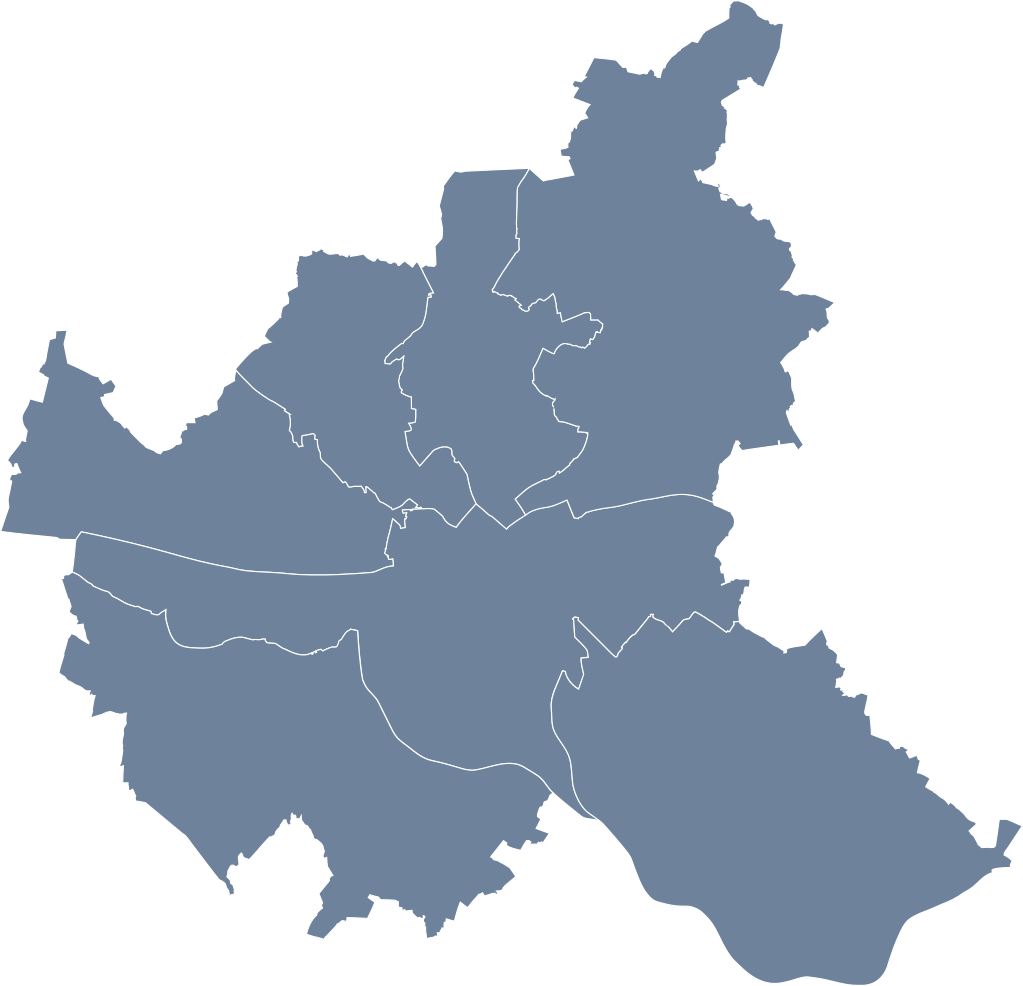
Berta Martha Magdalena (callname Berta) Weber was born on 24 July 1910, the third of five sisters, in the then still independent Prussian city of Altona (now Hamburg). Her parents, the Catholic labourer Emil Weber, born on 16 February 1885 in Schweimheim (district of Lower Alsace, today Schwenheim, France), and the Protestant labourer Clara Christina Pauline Reese, born on 15 August 1881 in Altona, married on 3 September 1910. The biological father recognised her as his child before the Altona registrar on 10 December 1910. Berta was thus considered legitimate and from then on bore the surname Weber.
Berta Weber’s older sisters Lilly, born on 16 January 1904, and Hilma, born on 7 March 1906, both born in Altona, initially bore the surname Reese of their then unmarried mother. Emil Weber also recognised them as legitimate children. Berta’s younger sisters Ella Elfriede Hedwig, born on 10 September 1911, and Klara, born in 1919, were born during her parents’ marriage.
The family took up residence at Kleine Gärtnerstraße 47 (now Stresemanstraße) in Altona. They moved to Hamburg-Eimsbüttel in 1919 and lived at Prätoriusweg 5 from then on. According to the Hamburg address book, Emil Weber worked as a shipbuilder and then as a bath attendant.
Little is known about Berta Weber’s sisters or about their childhood and youth. Berta was admitted to the former „Alsterdorf Asylum“ („Alsterdorfer Anstalten“, now „Evangelische Stiftung Alsterdorf“) on 8 April 1935. This is evident from the admission book of the Alsterdorf Asylum and from a so-called hereditary health index card (Sippschaftstafel), which was created for the Hamburg health passport archive established in 1934 for the purpose of conducting a „hereditary biological inventory“ of the population. Berta Weber’s patient file no longer exists.
According to the few entries on her index card, Berta Weber was affected by Down syndrome, which at the time was pejoratively referred to as „mongoloid idiocy“. She was also said to have suffered from the effects of meningitis. Allegedly, this slowed her down in everything she did and made her appear „sluggish and sleepy“. Her speech was said to be slurred. She was unable to occupy herself and showed no interest in her surroundings.
On 28 and 31 July 1941, at least 50 men and 20 women were transferred from the Alsterdorf Asylum to the „Langenhorn Sanatorium and Nursing Home“, including Berta Weber on 28 July 1941.
Three transports of sick people left the Langenhorn Sanatorium in quick succession on November 14, 1941, November 20, 1941, and November 27, 1941, bound for the „Gau-Heilanstalt Tiegenhof“ near Gniezno (Dziekanka, Gniezno). The last of these transports consisted almost exclusively of women and men from Alsterdorf, including Berta Weber.
These transports, which consisted mainly of particularly frail and unfit people, had been compiled on the basis of registration forms sent by the institutions to the Euthanasia Centre at Tiergartenstraße 4 in Berlin.
Built in the 1890s just under two and a half kilometres from Gniezno and about 50 kilometres from Poznań, the psychiatric hospital was renamed „Dziekanka“ after the area was transferred to the newly re-established state of Poland. It was one of the psychiatric institutions with the lowest mortality rates in the world. After the institution was occupied by the German Wehrmacht in October 1939, it was renamed „Gau-Heilanstalt Tiegenhof“ and was incorporated into the National Socialists „Euthanasia“-programme. In his book „Auf dieser schiefen Ebene gibt es kein Halten mehr“ (There is no stopping on this slippery slope), Michael Wunder writes of 1,172 patients murdered at Tiegenhof between 7 December 1939 and 12 January 1940 alone. After the official end of the „Euthanasia“ killings by gas in August 1941, the state-organised killing of people with disabilities and mental illness through starvation rations and overdoses of medication continued, as in other institutions in occupied Poland, including the „Gau-Heilanstalt Tiegenhof“. Between 26 September and 27 November 1941, more than 200 people were transported from the „Langenhorn Sanatorium and Nursing Home“ to the „Gau-Heilanstalt Tiegenhof“ in several transports. The Hamburg Euthanasia Memorial Book lists 206 people.
Almost all of the women and men on the Hamburg transport died of starvation and/or overdose of drugs such as Luminal, scopolamine and chloral hydrate. Berta Weber certainly did not die a natural death on 26 December 1941.
On the stumble stone commemorating Berta Weber, her first name was spelled „Bertha“, as it appears in all official documents. However, her birth certificate spells it „Berta.“ Therefore, her first name is spelled without an „h“ here.